Arizona homeowners with small backyards often feel trapped between scorching heat and limited square footage. But here’s the truth: a tight yard isn’t a limitation, it’s an opportunity. By working with Arizona’s climate and embracing smart design, you can create an outdoor space that’s both functional and inviting year-round. Whether you want a cooling retreat during summer or a gathering spot for fall entertaining, these space-saving ideas prove that small backyard ideas Arizona style don’t require a resort-sized lot. Let’s dig into practical strategies that maximize every inch.
Table of Contents
ToggleKey Takeaways
- Small backyard ideas for Arizona homeowners succeed by working with the desert climate using permeable pavers, decomposed granite, and light-colored hardscaping that keeps spaces cooler and reduces water waste.
- Native Arizona plants like desert marigold, barrel cactus, and rosemary thrive in 115°F+ heat with minimal water, especially when layered vertically and grouped by water needs to maximize small spaces.
- Shade solutions are essential in Arizona—combine retractable awnings, pergolas with vines, shade cloth, and umbrellas with small water features like tabletop fountains that cool through evaporation and mask street noise.
- Container gardening is the secret weapon for year-round color in tight Arizona backyards; use light-colored pots in odd groupings with drip irrigation timers to avoid constant maintenance.
- Strategic zone definition using patios, planters, and string lights creates intimate entertaining spaces that feel larger, while weatherproof storage boxes and vertical shelving keep yards clutter-free and visually organized.
- Mulch heavily (2-3 inches of light wood chips) to reduce soil temperature by 10°F, cut watering by 40%, and suppress weeds—refresh annually since Arizona sun breaks it down quickly.
Smart Hardscaping For Desert Efficiency
Hardscaping, patios, walkways, retaining walls, and decking, forms the backbone of a small Arizona backyard. Instead of sprawling lawn (which wastes water and scorches in summer), focus on defined zones using permeable pavers, flagstone, or decomposed granite. These materials absorb and release heat gradually, keeping foot-traffic areas cooler than solid concrete.
Start by mapping your space into three zones: dining, lounge, and utility. A 2-foot-wide decomposed granite path between zones keeps them visually distinct without eating square footage. Raised planter beds (built from untreated lumber or composite materials) double as seating edges and contain soil moisture.
For small patios, 12-inch stepping stones are friendlier than large slabs, they create visual breaks and feel less industrial. If you’re pouring concrete, use light-colored sealer to reflect heat and reduce the glare that makes your yard feel like an oven. Hardscaping also reduces maintenance: less lawn means fewer weeds, less mowing, and lower water bills. Consider interlocking pavers or gravel that allows water drainage, crucial in Arizona’s rare but heavy monsoons.
One clever tactic: add a pergola frame overhead (even without shade cloth initially) to define your sitting area and provide a structure for future shade. This doesn’t consume ground space but transforms the feel of the zone.
Native Plant Landscaping That Thrives In Arizona Heat
Native plants aren’t just hip, they’re practical for Arizona’s hot, dry climate. Plants like desert marigold, brittlebush, and desert rose need minimal water after establishment and handle 115°F+ summers without fussing. Group plants by water needs (hydrozoning) so you’re not overwatering drought-tolerant species just to keep thirsty perennials alive.
In a small backyard, layered plantings save space. Use a tall shrub (like Texas privet at 6 to 8 feet) as a privacy buffer along one edge. Beneath it, plant mid-height desert shrubs (3 to 4 feet) like rosemary or desert willow. Ground level gets low-growing groundcovers or sedums. This vertical stacking creates depth and visual interest without sprawling horizontally.
Cacti and succulents are space-savers themselves. A saguaro (if legal in your area) or barrel cactus becomes a sculptural focal point that occupies just a few square feet. Arrange smaller succulents in clusters of 3 to 5 plants for drama: single specimens look lonely. Top resources like creative backyard ideas showcase plantings that thrive in desert conditions.
Water new plants deeply and less frequently, this encourages deep root systems. Drip irrigation with a timer is your friend: it delivers water directly to soil without waste. Most native Arizona plants are established within 12 to 18 months and then can survive on rainfall alone.
Water Features And Shade Solutions
A small fountain or bubbler cools the air through evaporation and masks street noise, valuable in tight spaces. A tabletop fountain (easy to install on a side table) or a wall-mounted feature (check local codes) takes zero footprint. The sound of moving water tricks your brain into feeling cooler, even if temperature doesn’t actually drop.
Shade is non-negotiable in Arizona. A retractable awning or motorized shade sail costs more upfront but gives you control, deploy it in summer, stow it in winter for solar gain. A shade cloth (30%, 50%, or 70% density) stretched over a frame does the job affordably. For permanent shade, a pergola with 4 by 4-inch posts and 2 by 6-inch cross-members spaced 18 inches apart creates dappled light without blocking all sun.
Vines like desert-adapted clematis or trumpet vine grow along trellises attached to the pergola, adding greenery without ground footprint. These mature in 2 to 3 growing seasons and drop leaves in winter (letting warmth through). Patio umbrellas aren’t fashion, they’re necessary infrastructure in Arizona. An 11-foot cantilever umbrella shades roughly 100 square feet and folds away when wind gusts come.
Consider a small water basin or bird bath (separate from a traditional fountain) for desert wildlife. It’s not just beautiful: it supports local ecosystems. Family Backyard Ideas offer examples of cooling features that work in cramped layouts.
Outdoor Entertainment Zones For Small Spaces
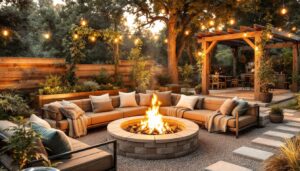
An outdoor entertainment zone doesn’t need a full kitchen, it needs a focal point. A built-in bench with storage (or a simple wooden platform bed frame with cushions) accommodates 3 to 4 people without requiring chairs that clutter the yard when not in use. Pairing it with a small bistro table (24 to 30 inches square) keeps things intimate.
Install outdoor string lights on a wire strung between posts or the house and pergola. Warm white LEDs create ambiance without adding heat. Wall-mounted sconces (LED, rated for wet locations) provide task lighting for evening entertaining. A small portable fire table (using propane or gel fuel, not wood) adds warmth and a gathering point on cooler Arizona evenings without occupying permanent footprint.
For entertaining, define the zone with ground-level planters or pavers, so guests know where the “outdoor room” begins and ends. Even a small backyard feels bigger when spaces are clearly delineated. Small Backyard Ideas for Entertaining showcase compact setups that host 6 to 8 people comfortably.
Storage is critical: a weatherproof deck box (32 to 40 inches wide) stashes cushions, blankets, and entertaining supplies without taking up visual real estate. Paint it a color matching your hardscape so it blends in. Vertical shelving (wall-mounted or leaning) holds potted plants, candles, and decor.
Container Gardening For Year-Round Color
Container gardening is the secret weapon for small Arizona backyards. Pots are portable, look polished, and let you plant seasonal color without committing ground space. Use ceramic, fabric, or resin containers (avoid dark colors that heat up in sun). Dark pots in Arizona act like ovens: light-colored or insulated containers keep roots cooler.
Group pots in odd numbers (3, 5, or 7) at varying heights for visual impact. A single large planter anchors a corner: smaller pots around it create a container garden without sprawl. Use high-quality potting soil (not garden soil), which drains better and requires less frequent watering. Mix in compost or aged bark to retain moisture in Arizona’s dry air.
In summer, shade-tolerant begonias, impatiens, and coleus provide color without wilting. Fall and spring bring perennials like snapdragons, violas, and desert marigolds. Winter (November through February) is prime planting time in Arizona, take advantage of milder temps to establish cool-season annuals. Succulents in containers work year-round and need minimal watering.
Drip irrigation kits designed for containers (with adjustable emitters) keep plants hydrated without constant hand-watering. A simple timer turns it on daily at dawn, before heat peaks. Rotate pots seasonally so you’re refreshing your color palette without storage headaches. Unique Backyard Ideas highlight container arrangements that maximize small-space appeal.
Low-Maintenance Mulch And Ground Covers
Mulch isn’t just pretty, it’s essential in Arizona. A 2 to 3-inch layer of wood chips or shredded bark around plantings reduces soil temperature by up to 10°F, cuts watering by 40%, and suppresses weeds. Avoid dark mulches (they retain heat): use light-colored wood chips or compost mulch instead. Refresh mulch annually because Arizona sun breaks it down quickly.
Decomposed granite (DG) is another option, it’s permanent, permeable, and feels rustic. Use a landscape fabric barrier underneath to prevent weeds, but allow water drainage. For planted beds, skip the fabric (it impedes root growth): mulch properly instead.
Ground covers replace lawn in small spaces. Creeping phlox, desert marigold, and Mexican heather spread horizontally, shade soil, and need mowing maybe twice yearly (if at all). They’re slower to establish than sod but dramatically reduce water and maintenance after 12 to 18 months. Plant them 12 to 18 inches apart, keep watered during establishment, then back off. Resources like Sunset magazine highlight ground cover options suited to region-specific climates.
Ornamental grasses (blue fescue, desert needlegrass) add movement and texture without lawn-like watering demands. Cut them back hard in late winter before new growth. A small berm (subtle mounding using extra soil) with ornamental grasses can disguise boring flat yards and improve drainage in low spots.
Maximizing Your Arizona Backyard Potential
Small Arizona backyards thrive on intentionality. Before you plant or pour concrete, sketch your space (even on paper or a phone app). Measure existing features, where does shade fall at 3 PM? Where’s the wind exposure? What views do you want to hide or highlight?
Work with your climate, not against it. Spring and fall are your outdoor living seasons: summer requires shade and cooling solutions. Winter is prime time for planting, roots establish without leaf-scorching heat. Smart landscaping includes seasonal adjustments: shade sails in June, open exposure in December.
Budget-wise, hardscaping (patios, edging, irrigation) costs more upfront but pays dividends in water savings and durability. Plants are cheaper initially but demand maintenance and water. Balance both. Outdoor Entertainment Center Ideas showcase designs that blend structural investment with plantings.
Don’t overlook vertical space. Trellises, wall planters, and hanging baskets triple your planting area without ground footprint. Taller structures (pergolas, trees) frame views and create privacy screens that make a small yard feel enclosed and intentional rather than cramped. References like The Spruce provide comprehensive how-tos for vertical gardens and shade structures.
Finally, embrace your backyard’s real purpose: a personal retreat, not an Instagram stage. Comfortable seating, consistent shade, and plants that thrive with minimal fussing matter far more than trending styles. Your small Arizona backyard can be a tranquil desert oasis, you just need a plan and the right plants for the job.