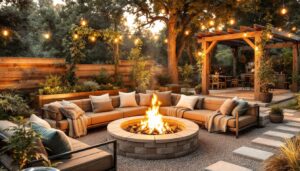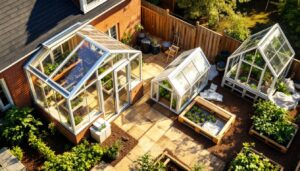
A medium-sized backyard sits in the sweet spot: big enough to explore creative possibilities, small enough to feel manageable. Whether you’ve got a quarter-acre or a modest rectangular lot, the challenge isn’t space, it’s making every square foot count. The best medium backyard ideas balance aesthetics with practicality, turning your outdoor room into an extension of your home without breaking the budget or requiring a contractor for every detail. This guide walks you through the most effective strategies for adding zones, seating, water features, and greenery that transform a basic yard into something you’ll actually use.
Table of Contents
ToggleKey Takeaways
- Create defined zones in your medium backyard using low fences, pergolas, or strategic plantings to maximize visual interest without making the space feel cramped.
- A patio sized between 150–300 square feet anchors the backyard and serves as the foundation for a functional outdoor oasis, with options ranging from affordable concrete to budget-friendly gravel.
- Medium backyard ideas work best when you layer seating, add water features like simple fountains or small ponds, and incorporate string lights to extend the usable hours of your space.
- Choose evergreen shrubs, deciduous trees, and multi-season perennials to ensure year-round visual appeal with less ongoing maintenance.
- Native plants adapted to your local climate and hardiness zone require less water, fertilizer, and pest control, making them ideal for busy homeowners seeking low-maintenance landscaping.
Create Defined Zones Without Overcrowding
One of the smartest moves in a medium backyard is creating distinct areas, a gathering spot, a garden corner, maybe a quiet reading nook, without making the space feel chopped up or claustrophobic.
Start by identifying your natural traffic flow. Most yards funnel people from a patio door in a diagonal or curved path toward the back. Rather than fighting this, use it. A low fence, a pergola, or even a shift in ground level can mark zone boundaries without blocking sightlines. Hardscaping, stepping stones, pavers, or mulch pathways, delineates spaces while guiding movement.
Planting strategic trees or shrubs also works. A small ornamental tree (10–15 feet tall) placed 8–10 feet from the house creates a natural “room divider.” Groupings of three shrubs of varying heights give depth without dense screening. The goal is definition, not division. You want someone standing on the patio to see the whole yard while feeling like there’s more to discover. Creative Backyard Ideas to offer many examples of how subtle zone separation improves both function and visual interest.
Keep pathways at least 3 feet wide (wider is better if space allows) so the yard doesn’t feel cramped. Avoid symmetry for a relaxed feel, an asymmetrical layout with zones of different sizes reads as larger and more intentional.
Budget-Friendly Patio and Seating Areas
A solid patio anchors the whole backyard. For a medium yard, aim for 150–300 square feet, large enough for dining and lounging but not so big you lose garden space.
Patio material options vary widely in cost and durability. Poured concrete runs $4–8 per square foot (installed) and lasts 30+ years with minimal maintenance. Pavers cost $5–15 per square foot but allow DIY installation and repairs. Gravel is the cheapest upfront ($0.50–2 per square foot) but needs raking and edging to stay tidy. For a budget play, consider a crushed limestone or recycled asphalt base with regular grading, functional and honest-looking for a fraction of the cost.
If the yard slopes, check local building codes for drainage requirements. Some jurisdictions require grading away from structures or a permit for patio work over a certain size. Ask your local building department first.
For seating that doesn’t expensive, Family Backyard Ideas: Transform showcases layered seating strategies. Mix pieces: a fixed bench along one edge (built from 2×12 lumber with concrete footings, roughly $200–400 in materials), a small dining table, and a few movable chairs that can be stowed in winter. This flexibility suits a medium space better than one large furniture set.
Framework matters. A pergola or shade sail over the patio (DIY frame with 4×4 posts and 2×6 beams, roughly $600–1000) transforms a hot concrete slab into a retreat. Add string lights or solar panels for ambiance and function.
Water Features That Add Tranquility
Water in a small-to-medium space doesn’t mean a full pond. Even a modest feature, a fountain, birdbath, or recirculating stream, adds movement, sound, and visual interest.
A simple pedestal fountain (materials, $100–300) sits on the patio or in a planted bed, runs on a small pump, and recirculates the same water indefinitely. They’re low-maintenance and create that soothing background sound without the upkeep of an open pond. A bonus: they attract birds and wildlife.
For something more integrated, a sunken basin or small pond (3–5 feet across) tucked into a corner or alongside a planting bed becomes a focal point. Dig the hole, line it with a rubber EPDM pond liner (about $1–2 per square foot), add rocks around the edge, and set a small pump in the center. Keep it shallow (18–24 inches) if you have small children or pets, it’s plenty deep for fish and aquatic plants, and the reduced volume means easier maintenance. Drain and clean it once yearly, usually in late fall.
Safety note: Any open water feature requires a fence or barrier if you have toddlers: check local codes. A child can drown in as little as 2 inches of water.
Skip elaborate koi ponds unless you’re prepared for weekly water testing and significant ongoing costs. A simple rain barrel next to the patio doubles as a water feature and practical irrigation source. Gravity-fed, no electricity needed, and it saves on your water bill.
Smart Landscaping for Year-Round Appeal
The difference between a yard that looks dead in winter and one that stays interesting all year is layered planting: evergreens for structure, deciduous trees for seasonal color, and perennials that earn their space beyond their bloom window.
Choose a backbone of 2–3 evergreen shrubs or dwarf conifers, boxwoods, junipers, or dwarf Alberta spruces work in most zones. These hold form and color from November through March. Layer in deciduous shrubs that offer interest beyond flowers: redtwig dogwoods (bright winter stems), Japanese maple (fine-textured foliage and fall color), or viburnum (berries in fall and early winter).
Perennials should earn their keep. Instead of tulips that bloom for two weeks, choose plants like coneflower, Russian sage, or ornamental grasses that offer multiple seasons of interest, spring foliage, summer flowers, dried seed heads in fall and winter. A well-planted perennial bed actually needs less maintenance than annual flowers because you don’t replant every year.
Mulch and soil prep make the difference. Most DIYers underestimate this. A 2–3 inch layer of shredded bark or wood chips suppresses weeds, retains moisture, and keeps roots cooler in summer. Refresh annually. Before planting, amend the native soil with compost (25–30% by volume) so plants aren’t struggling in compacted clay or pure sand.
Unique Backyard Ideas: Transform detail how creative plant combinations multiply visual impact. Grouping plants in odd numbers (3 or 5) and graduating heights creates more dynamic beds than scattered single plantings. The design principle works whether you’ve got shade or sun.
Lighting Solutions for Ambiance and Function
Outdoor lighting serves two jobs: extending the usable hours of your yard and adding mood. In a medium space, you don’t need professional landscape lighting, strategic, thoughtful placement does the work.
Path lights (solar or LED, $20–60 per fixture) line walkways and define edges at night. Space them 4–6 feet apart for safety without harsh shadows. Uplighting trees or shrubs (a directional fixture mounted low, aimed up the trunk) creates drama with minimal glare. String lights or bistro lights strung across a patio or pergola set the tone for entertaining without being cheesy.
Solar options work well here. Modern solar path lights and stake lights are reliable, require zero wiring, and cost less than hard-wiring. Set-and-forget in spring, gather them in fall. If you want permanent fixtures, hire an electrician to run a low-voltage line (12V) from the house. It’s safer than standard 120V and doesn’t require a deep trench in most jurisdictions.
Dim or warm color temperature (2700K rather than 5000K) keeps the space inviting. Bright white lighting feels institutional and kills the relaxation factor.
Backyard Entertaining: Transform Your walks through how lighting amplifies your entertaining zone. Aim fixtures at surfaces (the patio, deck, or lawn) rather than overhead, so light bounces and doesn’t blind anyone.
Low-Maintenance Garden Ideas for Busy Homeowners
Not everyone wants to spend weekends pruning and deadheading. A medium backyard can be beautiful and low-maintenance if you’re strategic.
Native plants suited to your USDA hardiness zone are the foundation. They’re adapted to local rainfall, soil, and temperature swings, so they need less fussing. Check your state’s native plant society for lists. These plants generally require less fertilizer, less supplemental water, and fewer pest interventions than ornamental exotics.
Groundcovers and ornamental grasses replace high-maintenance lawn. Sedge, fescue, or native grasses need mowing only once or twice yearly (or not at all for ornamental varieties). Creeping thyme, ajuga, or sedum spread across borders and outcompete weeds with minimal intervention.
Hardscape more, plant less. Expanding the patio, adding gravel beds, or laying stepping stones through planted areas reduces the square footage you’re watering and maintaining. If you have a sprinkler system, a simple timer cuts the daily commitment.
Sources like The Spruce offer comprehensive guides on easy-care perennials and regional plant recommendations. Mulch remains non-negotiable: it cuts watering frequency by half and suppresses most weeds so you’re not bending over every weekend. Refresh it yearly, and you’re done.
If you’re committed to vegetables or a cutting garden, corral them in raised beds (4×8 feet is manageable) near the house where you’re more likely to tend them. Out of sight, out of mind doesn’t work for edibles.
Conclusion
A medium backyard isn’t a limitation, it’s an opportunity. The 12 ideas outlined here, zoning, affordable seating, water features, thoughtful planting, and smart lighting, work together to transform a basic lot into a functional, inviting outdoor room. The key is starting with what you actually use, not what you think you should want. Build the patio, define the zones, and add plants and light incrementally. Your backyard will evolve into something uniquely yours, season after season.