Small backyards don’t have to feel cramped or boring. Whether you’re working with a postage-stamp-sized patio or a modest yard, the right ideas for small backyard spaces can completely change how you use and enjoy your outdoor area. The key is thinking vertically, choosing multi-purpose elements, and making every square foot count. This guide walks you through practical, budget-friendly projects and design strategies that work in tight spaces, no contractor required for most of them. From climbing vines to clever storage, you’ll find solutions that feel intentional, not squeezed in.
Table of Contents
ToggleKey Takeaways
- Vertical gardens and green walls maximize limited space by growing plants upward on fences and walls, transforming blank areas into lush growing zones without consuming precious square footage.
- Multi-functional furniture like storage benches and modular seating ottomans serve dual purposes in small backyards, combining comfortable seating with organized storage to eliminate clutter.
- Strategic lighting with string lights, solar stake lights, and accent lights transforms a small backyard into an inviting evening gathering space, with warm white light (2700K) creating the coziest atmosphere.
- Water features such as recirculating fountains and small pond kits serve as focal points that engage multiple senses and make a compact backyard feel intentional and larger.
- Container and raised bed gardening lets you grow vegetables and herbs without digging up your yard, with raised beds offering easier maintenance and better drainage for small backyard gardening success.
- Creating an intimate outdoor entertaining space through corner dining setups, pergolas, and canopy structures makes small backyards perfect for memorable gatherings and social gatherings.
Vertical Gardens and Green Walls
When floor space is limited, grow up instead of out. Vertical gardens and green walls turn blank fences, walls, and corner spots into lush growing areas without eating up precious square footage. A simple trellis against a fence holds climbing vines, beans, or lightweight clematis. For a more polished look, consider a living wall system, these are modular panels that attach directly to a wall or fence and hold soil and plants. Most come with built-in drip irrigation.
You can build your own trellis from pressure-treated 2x2s and horizontal cross-pieces spaced 12 inches apart. Use galvanized corner brackets and 2½-inch galvanized screws so they won’t rust. Before fastening to a fence, check that it’s structurally sound: lean posts more than a few degrees of plumb suggest the fence needs repairs first. Paint or stain the trellis to match your style, and let the finish cure fully before planting around it.
Livelier walls don’t have to expensive. Pocket planters, fabric panels with horizontal pockets for individual plants, cost far less than rigid living wall systems and mount to any vertical surface. Succulents, sedums, and trailing pothos work well in pocket systems. A 4-foot by 6-foot pocket planter might hold 30 to 40 plants and weigh around 50 pounds when fully planted and watered, so use sturdy wall anchors or mount it to studs if possible. Water runs through the top plant and trickles down, so position the whole system near a slight drainage area.
Vertical gardens also solve shade problems. A trellis on the west-facing side of a patio blocks afternoon sun and softens the heat, making seating more comfortable during hot months.
Multi-Functional Seating and Storage Solutions
In a small backyard, every piece of furniture should earn its keep. Bench seating with built-in storage underneath, storage ottomans, and modular furniture eliminate the need for separate seating and shed space.
Bench Storage and Built-In Seating
A sturdy wooden bench with a hinged top and interior storage holds cushions, garden tools, pool toys, or grilling supplies. Building one is a weekend project if you’re comfortable with a drill and saw. A simple design uses 2×6 or 2×8 lumber for the seat and sides, with 2×4 frame members underneath. The bin should sit on a solid base, not the ground, moisture wicks into wood and causes rot. Set it on pavers or gravel, or better yet, build a simple frame that sits on pressure-treated 4×4 posts set in concrete footings.
Just like a real deck or patio, this bench needs proper drainage and air circulation underneath. Leave a 1-inch gap between the bottom and ground. Apply an outdoor wood sealant, not just paint, on all surfaces, including underneath where moisture hides. Reapply every two to three years, especially on horizontal surfaces that take the weather.
The hinged lid should include a lid support strap so it doesn’t slam shut on hands or fingers. Size the bench to your space: a 4-foot bench seats two comfortably and holds 20 to 30 cubic feet of storage. Bigger backyards might accommodate a 6-foot version. Make sure the hinges are rated for outdoor use (stainless steel or powder-coated) and that the wood on the inside is sealed too.
Alternatives if building isn’t your thing: resin storage benches are durable, lightweight, and need no maintenance. They’re pricier upfront but last decades. Modular cushioned ottomans that double as storage cubes let you rearrange the seating layout as needed, which keeps a small space feeling fresh and flexible.
Intimate Outdoor Entertaining Spaces
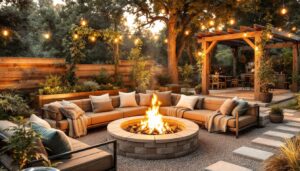
A small backyard can host memorable gatherings if you design with intention. The goal is creating a sense of enclosure and coziness, even in tight quarters. This might mean defining a seating zone with a pergola, umbrella, or canopy overhead. Hanging string lights or solar lanterns add warmth and make the space feel intentional after dark.
Consider a corner dining setup instead of spreading furniture across the yard. A small bistro table (30 to 36 inches across) seats four without feeling cramped. Pair it with a bench along one side and individual chairs on the other, benches tuck into corners and save space compared to four separate chairs. If you want a built-in structure, Small Backyard Ideas for Entertaining explores how pergolas and shade structures can anchor a gathering zone and define its boundaries.
For a semi-permanent setup, a 10-by-10-foot canopy frame with a removable fabric top turns a portion of your yard into a covered outdoor room. These collapse and store flat when not in use. The frame itself weighs 30 to 40 pounds and requires anchoring if you’re in a windy area, use storm straps or ground stakes to keep it stable. Check your local code: some jurisdictions require a permit for structures over a certain size, even if temporary.
Lighting transforms the space. String lights hung overhead create a canopy of soft illumination. Solar pathway lights cost nothing to run and require no wiring, though they’re less bright than electric options. If you’re running electric lines, use outdoor-rated wire and a GFCI outlet, and bury permanent installations at least 12 inches deep to prevent tripping hazards and accidental damage. The National Electrical Code (NEC) requires GFCI protection for all outdoor circuits, don’t skip this step.
Water Features and Focal Points
A focal point, something that draws the eye and anchors the design, makes a small backyard feel intentional. Water features work beautifully because they engage multiple senses: sight, sound, and the subtle cooling effect of moving water.
A recirculating fountain doesn’t require plumbing. Freestanding models sit on the ground or a patio and pump water up and over, then catch it in a basin below. They’re plug-in electric (standard outlet, GFCI-protected), quiet, and add movement and sound that masks neighborhood noise. A 2-foot-tall fountain costs $100 to $400 depending on material and style. Birdbaths are another zero-fuss option and provide wildlife interest.
Small water gardens or pond kits offer more visual drama. A 2-by-3-foot rigid plastic pond basin, installed in an hour, can hold koi, goldfish, or water plants. The basin needs a slight depression dug to fit it, and a pump with a filter keeps the water clear. You’ll run a small hose to a nearby outdoor outlet, same GFCI requirement as any outdoor electrical work. The pond becomes a focal point and provides a reflective surface that makes the yard feel bigger.
Water features do require maintenance: draining before winter in cold climates, cleaning filters, and refreshing water every few weeks in still ponds. In dry climates, evaporation is fast: expect to top off water weekly. If upkeep feels like a hassle, a simple rock or sculpture focal point requires zero maintenance and still anchors the space. Position it at a sight line, visible from your main seating area or the house windows.
Lighting and Ambiance Design
Once the sun drops, lighting determines whether your backyard feels inviting or abandoned. Layered lighting, combining overhead, ambient, and accent lights, makes the space usable and beautiful after dark.
Overhead lighting can be string lights, lanterns suspended from a pergola, or a ceiling fixture mounted to the house soffit. Solar-powered string lights are affordable and require no wiring, though they’re dimmer than electric options and rely on a sunny day to charge. Electric string lights plugged into a GFCI outlet are much brighter and consistent. LED bulbs cost more upfront but draw far less power and last thousands of hours.
Ambient lighting fills the space evenly. Landscape lights positioned low in beds or along pathways cast soft upward light. Solar stake lights are the cheapest route: rechargeable LED models powered by a 12-volt transformer give you more control and brightness. Backyard Entertaining demonstrates how lighting transforms a gathering space from day to night.
Accent lighting highlights features: uplighting on plants or trees, spotlights on water features, or wall washers that graze light across a fence or building. These create depth and visual interest. A timer or smart bulbs let you automate the lighting, turning on as dusk falls. Most outdoor timers cost $20 to $50 and plug between your outlet and light cord.
Color temperature matters. Warm white light (2700K) feels cozy and works best for seating areas. Cool white (5000K) is brighter but harsher: it’s better for task lighting like grill areas. Avoid bright blue or purple lights, which attract insects.
When running electrical outside, always use a GFCI-protected outlet. If you’re adding a permanent fixture, consider hiring a licensed electrician, running new circuits and installing hardwired fixtures falls outside most DIY comfort zones and requires permits in most jurisdictions.
Container and Raised Bed Gardening
Containers and raised beds let you garden without digging up your entire yard, perfect for renters or homeowners who want flexibility. They’re also easier on the back and give you control over soil quality.
Containers come in every size and material: terracotta, plastic, fabric, and composite. A 12-inch pot suits herbs and small greens: 18-inch works for peppers and small tomatoes: 20-inch is the minimum for full-size tomatoes and standard vegetables. Bigger pots hold moisture longer and require less frequent watering. One rule: drainage holes are non-negotiable. Sitting water kills roots in days.
Raised beds eliminate the need to bend and improve drainage instantly. A simple bed uses 2×8 or 2×10 untreated cedar (pressure-treated lumber contains chemicals that can leach into soil, though it’s food-safe in most regions, check your local standard). Four boards and corner braces make a 4-by-4-foot bed that’s about 10 inches deep, enough for most vegetables and herbs. Line the bottom with cardboard or hardware cloth to block weeds from below. Fill with a mix of garden soil and compost, not topsoil alone, which compacts over time.
Placement matters. Vegetables and herbs need 6 to 8 hours of direct sun. If your backyard is shady, focus on leafy greens, herbs like mint and parsley, and shade-tolerant crops. Containers can be moved to follow the sun, so start them in a sunny spot and shuffle them if needed.
Watering is the biggest maintenance task. Container gardens dry fast, daily watering in hot weather isn’t unusual. Mulching the soil surface (wood chips, shredded leaves) reduces evaporation. A soaker hose with a timer makes watering hands-off and more efficient than overhead sprinklers. Creative Backyard Ideas covers how integrated gardens enhance your space beyond just food production.