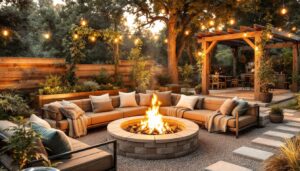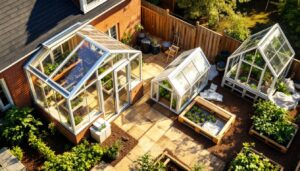
A small backyard doesn’t mean you can’t create a retreat that feels like a resort. A well-designed cabana, whether a simple covered shelter or a fully finished structure, instantly elevates outdoor entertaining and adds real value to your property. This guide walks you through practical cabana styles, from classic covered designs to modern minimalist builds, plus budget-friendly DIY options that won’t require a contractor’s wallet. Whether you’re looking to shade a seating area, create an outdoor bar station, or build a complete getaway nook, you’ll find ideas and step-by-step guidance to turn your small space into an inviting outdoor oasis.
Table of Contents
ToggleKey Takeaways
- Small backyard cabana ideas range from classic covered shelters with open sides to modern minimalist designs with flat roofs and built-in storage, all of which can transform outdoor entertaining and add property value.
- Budget-friendly DIY cabana options like lean-to shelters or fabric pavilion kits cost under $1,200 and can be assembled in a weekend with basic tools, making them accessible for homeowners without contractor budgets.
- Essential features including shade quality, ventilation, permeable flooring, and layered lighting (string lights, solar stakes, or wired outlets) turn a basic structure into a comfortable, functional outdoor retreat.
- Built-in benches, wet bars, and multifunctional spaces maximize tiny footprints—a 4×8 or 6×10 covered area can combine seating, beverage service, and storage in one intentional design.
- Check local building codes for permit requirements (typically for structures over 200 sq. ft.), confirm setback distances from property lines, and verify HOA restrictions before construction begins.
- Annual maintenance like sealing exposed wood and applying protective topcoats to roofs prevents water damage and keeps your cabana functional and appealing year-round.
Classic Covered Shelter Designs
The traditional cabana, a covered structure with open sides, remains the most popular choice for backyards because it solves the real problem: sun and rain exposure without feeling enclosed. Think of it as an outdoor room’s scaffolding: a roof and posts do the heavy lifting.
A classic design typically features 4×4 or 6×6 pressure-treated posts set in concrete footings (often 12–18 inches deep to clear frost line), with 2×8 or 2×10 rafters supporting the roof. The roof itself can be solid wood decking, metal roofing, or polycarbonate panels, each with trade-offs. Solid wood looks beautiful but requires staining and eventual replacement: metal roofing is durable and sheds water fast: polycarbonate is affordable and lets diffused light through, though it yellows over time.
If you’re building from scratch, you’ll likely need a building permit because most jurisdictions require permits for structures over 200 square feet or those with permanent foundations. A 12×12 footprint (144 sq. ft.) sits in a gray zone, check your local code before breaking ground. You’ll also want to confirm setback requirements (distance from property lines) and any HOA restrictions.
For a quicker route, look at creative backyard ideas to see how homeowners adapt existing structures. Pre-built cabana kits from manufacturers handle the guesswork, though they run $3,000–$8,000 installed, depending on size and materials. A DIY frame-and-roof build costs roughly half that, but requires carpentry skills, help with heavy lifting, and a few weekends.
Modern Minimalist Cabanas
Modern minimalist cabanas strip away ornament and focus on clean lines, integrated storage, and multi-use surfaces. Think flat or low-slope roofs, composite or metal cladding, and built-in seating or storage benches.
A minimalist cabana often uses steel or aluminum posts (thinner and more refined than wood) paired with a flat roof of composite decking or metal panels. The look works especially well in tight spaces because it feels intentional rather than cramped. Many homeowners pair this with a living wall or climbing vines to soften the geometry, a practical touch that also provides dappled shade and privacy.
Material choices matter here. Composite decking resists rot and requires minimal maintenance, though initial cost runs $5–$8 per linear foot versus $1–$3 for pressure-treated lumber. Metal roofing (standing seam or corrugated) adds a contemporary edge and lasts 40+ years. Polycarbonate roof panels in smoke or bronze tint control glare while staying transparent.
Storage is key in minimalist design. Incorporate a built-in cabinet or bench with hinged seating (nominal 2×12 lumber frames work well) to stash pool toys, gardening tools, or entertaining supplies. This approach transforms the cabana from a shade structure into functional outdoor furniture. Budget an extra $500–$1,000 for built-in carpentry if you hire it out, or a weekend and $150–$250 in materials if you DIY it with basic tools.
Budget-Friendly DIY Cabana Options
Not every backyard project requires thousands of dollars. A lean-to or frame-and-fabric cabana gets you 80% of the way to a full structure at a fraction of the cost.
The simplest approach: a lean-to shelter built against an existing fence or house wall. You’ll need 2×6 or 2×8 pressure-treated lumber for the frame, 4×4 posts for corner support, and either a polycarbonate roof or heavy outdoor fabric (marine-grade canvas or solution-dyed acrylic, around $10–$20 per yard). Total material cost often comes in under $800 for a 10×8 footprint, and assembly takes a weekend with basic tools: a miter saw, circular saw, drill-driver, and level.
Another budget winner: a fabric shade pavilion or gazebo kit. These run $300–$1,200 depending on size and fabric quality, assemble in a few hours, and pack down for winter. They won’t last as long as a permanent structure (fabric degrades under UV exposure), but they’re portable and ideal for renters or trial runs.
Multifunctional Cabana Spaces
When square footage is tight, make every inch count. Combine shade with seating, bar space, or storage in a single footprint. A 4×8 or 6×10 covered area can host a roll-up bar counter on one side and built-in benches on the other, perfect for small backyards.
Incorporate a small wet bar or beverage station: a simple 2×4 frame with a composite countertop (typically $200–$400 for pre-cut lengths) gives you a functional work surface for drinks and snacks. Underneath, a mini fridge cabinet or wine cooler ($300–$700) adds entertaining appeal without doubling the footprint. Outdoor entertainment center ideas show how to balance aesthetics with practicality in tight spaces.
Seating is equally important. Built-in benches along two sides save space versus standalone chairs and create a natural gathering point. Add cushions ($50–$150 per cushion, outdoor-rated fabric) for comfort without visual clutter. If you’re handy, build the bench frame from pressure-treated 2×12 lumber, it’s straightforward joinery and requires only a circular saw and drill.
Essential Features and Finishing Touches
A cabana’s bones are the structure: its soul lives in details that make it comfortable to actually use. Start with shade quality: full sun overhead still requires relief. Layer shade by adding retractable outdoor curtains (marine-grade fabric, $200–$500 per pair) on one or two sides to block afternoon glare or create privacy.
Ventilation matters more than people realize. A structure without airflow becomes a heat trap in summer. Leave at least one side fully open, or install ceiling-mount fans ($150–$400 each) to push warm air upward and create a breeze. Solar-powered fans run without wiring and work well as retrofit additions.
Flooring anchors the space. Bare ground or old mulch looks unfinished. Upgrade to permeable pavers or composite decking (easier than pouring concrete and more forgiving if you change the layout later). Gravel or decomposed granite is the budget option, spread 4–6 inches deep and rake it smooth yearly. Cost runs $50–$150 per 200 sq. ft., depending on your region and material type.
Lighting and Ambiance Solutions
Once the sun dips, a well-lit cabana becomes genuinely usable. Overhead ambient lighting keeps the space functional: accent lighting creates mood.
String lights or Edison-style bulbs strung between posts are the obvious choice, affordable ($30–$80 for a 20–30 foot strand), simple to install (run on batteries or solar, or wire to a junction box if you’re comfortable with basic electrical), and endlessly customizable. Warm white (2700K color temperature) feels more inviting than cool white.
For permanent wiring, hire a licensed electrician to run a weatherproof outlet or two in the posts or soffit. This opens doors to ceiling fans, refrigerators, or permanent fixtures. Cost depends on distance from your house panel ($500–$1,500 typical), but it’s an investment if you’ll use the space year-round.
Up-lighting hidden behind beams or along the base adds drama and extends ambiance without harsh overhead light. Solar stake lights ($5–$15 each) work well for indirect floor-level glow and require zero wiring. Accent your cabana as you’d accent interior rooms: think layers, dimmers where possible, and warm tones over clinical brightness.
Waterproofing ties everything together. Seal any exposed wood annually, and apply a clear polycarbonate or acrylic topcoat to extended roofs to prevent water pooling and algae buildup. Budget $100–$300 for materials and a weekend of maintenance work each year.
Conclusion
A small-space cabana isn’t a luxury, it’s a practical upgrade that pays dividends in everyday enjoyment and resale appeal. Whether you choose a classic timber shelter, a modern minimalist frame, or a DIY lean-to, the key is matching your build to your actual needs. Start with shade and structure, then layer in storage, lighting, and comfort as your budget and timeline allow. Small backyard ideas for entertaining show how thoughtful design transforms tight outdoor spaces. With solid footings, quality materials, and attention to detail, your backyard cabana becomes the outdoor room you’ll actually use all summer long.