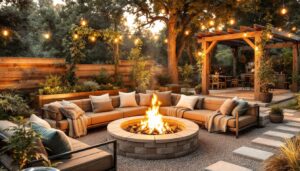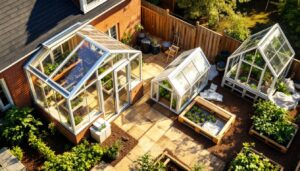
A narrow backyard doesn’t have to feel cramped or unusable. With smart design choices and practical solutions, even a tight outdoor space can become a functional, attractive extension of your home. The key is working with your dimensions rather than fighting them, using vertical space, strategic furniture placement, and focal points that draw the eye outward. This guide walks through seven tested narrow backyard ideas that homeowners and DIYers are using right now to reclaim their outdoor space.
Table of Contents
ToggleKey Takeaways
- Vertical gardens and living walls transform narrow backyard spaces by using fence or wall area instead of ground-level square footage, requiring proper anchoring and drip irrigation for success.
- Multi-functional furniture like L-shaped benches with storage and pieces on wheels maximize seating and utility while keeping sightlines open in tight outdoor areas.
- Layered lighting—ambient, task, and accent—creates depth in narrow backyards by drawing focus to specific features without consuming additional space.
- Curved or diagonal pathways and herringbone paving patterns make narrow yards feel longer and more spacious than straight-line designs.
- Small water features such as tabletop fountains or elevated basins serve as focal points that anchor the yard and mask noise while requiring minimal electrical work with proper GFCI protection.
- Strategic hardscaping with proper grading (¼ inch per foot slope) and low-profile elements like stepping stones ensure narrow backyard ideas function well while preserving the sense of openness.
Vertical Gardens And Living Walls
When you’re short on square footage, go vertical. A living wall or vertical garden transforms a blank fence or side wall into a lush focal point while freeing up ground-level space. You can build a basic structure from pressure-treated lumber (2×4 or 2×6 studs spaced 16 inches on center) and attach plywood backing, then add a drip irrigation line along the top. Fill pockets with lightweight potting soil, never garden soil, which compacts and drains poorly, and select shallow-rooted plants like sedums, ivy, or herbs.
If building feels too involved, prefab vertical garden frames from landscape suppliers take the guesswork out. They typically hang with lag bolts into studs (essential for load distribution). A 4×8 living wall can weigh 200+ pounds when saturated, so anchoring matters. Plan for regular watering, drip systems work better than hand-watering for wall gardens. You’ll also want to install edging or a catch tray at the base to manage runoff and protect your foundation or siding.
Strategic Furniture Placement And Multi-Functional Pieces
Narrow yards demand every piece of furniture to earn its place. A single L-shaped bench with hidden storage underneath seats three people and holds cushions, tools, or toys, cutting clutter while maximizing seating. Folding or stackable chairs let you adjust layout for solo relaxation versus entertaining. Look for low-profile pieces that don’t visually block sightlines: a low dining table reads as open than a tall planter box in the same spot.
Consider pieces that do double duty: a deck-mounted bench seat with planters built into the backrest, side tables with storage shelves, or a small backyard entertaining space that transforms from a quiet refuge into a gathering spot with minimal rearrangement. Furniture on wheels (casters rated for outdoor use) lets you shift things seasonally without lifting. Keep surfaces clear, a cluttered narrow yard looks smaller. Group planters rather than scattering them, and use matching or complementary pieces to create rhythm without overwhelm.
Lighting Solutions For Depth And Ambiance
Lighting does far more than let you see at dusk: it creates depth and draws focus toward specific features. Layer three types: ambient lighting (overhead fixtures or string lights running the length of your yard), task lighting (a fixture above a seating area), and accent lighting (uplighting on plants or downlighting on pathways). Uplighting a vine-covered fence makes it recede visually, while well-placed spotlights on a creative backyard feature give it presence without consuming space.
LED strip lights clipped along planters or under railings are low-profile and efficient. Install them 18 to 24 inches off the ground to avoid glare and keep them 3 to 4 feet apart for even coverage. Solar path lights are maintenance-free but dimmer: hardwired fixtures deliver brighter results. Route low-voltage (12V) wiring along fences or under mulch for a clean look. If you’re running 120V circuits, call a licensed electrician and pull permits, outdoor circuits must have GFCI protection per the National Electrical Code, and trenched wiring requires conduit. Aim lights toward focal points (a shrub, water feature, or seating area) rather than filling every corner.
Hardscaping And Pathways
Hardscaping, paving, decking, gravel, anchors a narrow backyard and defines movement through the space. A single straight path from door to gate feels cramped: a gently curved or diagonal route makes the yard feel longer. Use 4×4 or 4×6 treated timbers for edging, anchor them with landscape spikes (driven deep into undisturbed soil), and backfill with 2 to 3 inches of compacted gravel or mulch.
Creating Visual Flow With Paving Patterns
Paving patterns do heavy lifting in narrow spaces. Herringbone or diagonal patterns create movement and disguise narrow proportions better than straight lines. A 2-foot-wide stepping stone path is practical and less overwhelming than a 4-foot patio consuming the entire yard. Tumbled pavers in warm tones (tan, rust, or honey) feel cozier than pale gray concrete. Lay pavers on a 1-inch compacted sand base with ½-inch gaps filled with polymeric sand (it locks in place when wet, preventing weeds and shifting). Space stepping stones 18 inches apart for comfortable strides, too close feels clunky.
For a modest DIY project, 50 to 100 pavers take a weekend and basic tools (a hand tamper, level, rubber mallet). For larger decked areas, consider pressure-treated lumber joists (2×8 or 2×10) spaced 16 inches on center over concrete piers or gravel footings, proper support prevents rot and sagging. All hardscaping should slope slightly (¼ inch per foot minimum) away from structures to shed water and prevent pooling.
Water Features And Focal Points
A small water feature, a recirculating fountain, basin, or wall-mounted waterfall, instantly draws the eye and masks neighborhood noise. Tabletop fountains work in tight corners and require only a standard outlet (GFCI-protected, as noted above). A larger basin or pond (18 to 24 inches deep, 4 to 6 feet across) anchors a narrow yard without dominating it. Elevate the basin slightly with stacked pavers or a built-up frame to make it a more visible focal point and reduce bending to refill or maintain it.
For a unique backyard with a water feature, plan for electrical runs, maintenance access, and seasonal concerns (freezing in cold climates, mosquito breeding if water stagnates). A small pump recirculates water, reducing algae and keeping it fresh. Use a GFCI breaker and route low-voltage wiring buried 12 inches deep in conduit. Pairing a water feature with thoughtful backyard entertaining seating, a bench or chairs angled toward it, reinforces its role as a destination. Plants around the feature (ferns, hostas, ornamental grasses) soften edges and tie it into the landscape.
Conclusion
Narrow backyards reward intentional design. Layer vertical space, choose multipurpose furniture, use lighting and hardscaping to guide the eye, and add a focal point that invites you outside. None of these ideas require structural permits, they’re cosmetic enhancements that feel substantial. Start with one or two changes this season and build from there. Your narrow backyard can become the retreat you’ve been wanting.