A small backyard doesn’t have to mean small garden dreams. Whether you’re working with a postage-stamp lot, a shady corner, or a balcony-sized space, the right garden ideas can turn limitation into opportunity. The key isn’t finding more square footage, it’s using what you have smarter. By layering vertical growing solutions, choosing the right containers, and planning functional layouts, even the tiniest outdoor space becomes a productive garden that feeds your family, attracts pollinators, and gives you real breathing room. Let’s dig into practical strategies that actually work in 2026, no fantasy backyards required.
Table of Contents
ToggleKey Takeaways
- Vertical gardening solutions like wall-mounted planters and trellises maximize growing space without using ground footprint, allowing a 4-foot trellis to yield as much as a 16-square-foot bed.
- Hanging baskets and overhead gardens multiply your growing area, but require drip irrigation with timers to prevent daily hand-watering and ensure proper hydration in summer heat.
- Container gardening for small backyards demands proper sizing (5-gallon minimum for tomatoes, 2–3 gallons for herbs), quality potting mix, and drainage holes—fabric grow bags offer the best durability at $2–$5 each.
- Smart garden ideas for small backyard success start with mapping sunlight patterns across seasons and creating three functional zones: sunny for heat-lovers, part-shade for cool crops, and shaded areas for composting or seating.
- Succession planting and interplanting stretch your season to three harvests annually on one patch, while hardscaping elements like mulched paths, edging, and focal points (water features, arbors) prevent clutter and add visual depth.
- Even compact outdoor spaces outproduce larger yards when you layer heights, use every wall and beam, and combine vertical systems with strategic container placement and intentional design choices.
Vertical Gardening Solutions For Maximum Impact
Wall-Mounted Planters and Trellises
Vertical growing isn’t new, but it’s the most efficient move for small spaces. A wall-mounted planter system or trellis uses zero ground footprint while adding visual height and depth to your yard. You can attach wooden slats, wire mesh, or metal brackets directly to a fence, wall, or pergola, assuming the structure is solid enough to handle the weight and moisture.
Start by assessing your wall. South-facing walls get full sun: north-facing ones stay shady. East-facing walls offer morning sun and afternoon relief, which suits most vegetables and herbs. Before fastening anything, check for pipes, wiring, or structural issues. Use galvanized or stainless steel hardware in damp climates: they won’t rust.
Popular setups include pocket planters (fabric sleeves with individual plant pockets), tiered shelving units, and trellis systems for climbing crops like beans, peas, and cucumbers. A 4-foot tall trellis against a fence can yield as much as a 16-square-foot ground bed if you’re growing compact vining crops. Mount planters at an angle, 12 to 18 degrees, so water and soil don’t spill directly on neighbors’ property.
Hanging Baskets and Overhead Gardens
Hanging systems pull plants off the ground and into the air, multiplying your growing area vertically. Sturdy pergolas, rafters, or strong horizontal beams become plant real estate. Wire hanging baskets work well for trailing herbs, strawberries, and lightweight flowers. Use galvanized or powder-coated steel: cheap plastic fails quickly in sun and cold.
Water is the catch with overhead gardens. Baskets dry out fast, sometimes daily in summer heat. Drip irrigation or soaker tubing solves this. You can run a single line along the pergola beam with micro-drip lines feeding each basket. A timer on a hose bib means you don’t hand-water every morning before work.
Weight matters too. A basket filled with moist soil can weigh 10–15 pounds. Make sure your mounting points, hooks, bolts, or lag screws, are rated for at least three times that load. Never trust a single hook: use two. Check hardware monthly for rust or looseness.
Container Gardening Strategies
Selecting the Right Containers and Plants
Containers give you complete control over soil, drainage, and placement, critical when you’re working around patios, shade, and hard surfaces. The right vessel makes the difference between thriving plants and frustration.
Container size is non-negotiable. A tomato plant needs a minimum of 5-gallon depth and width: lettuce or herbs get away with 2–3 gallons. Shallow containers dry out fast and restrict root growth. Containers smaller than 2 gallons are storage bins, not true growing pots. Drainage holes are mandatory, no exceptions. If you love a decorative pot without drainage, use it as a cache pot and slip a drilled nursery container inside.
Material matters for durability and heat. Plastic is lightweight and cheap but degrades in UV light after 3–4 years. Terracotta breathes well but breaks easily and dries fast in heat. Fabric grow bags (7–20 gallons) offer excellent drainage, don’t crack, and cost $2–$5 each. Wooden boxes and metal bins work if you line them with landscape fabric and drill drainage holes.
Fill containers with quality potting mix, not garden soil. Bagged potting mix is lighter, drains better, and doesn’t compact. Garden soil holds too much water in a container and becomes hard as concrete. Mix in perlite or coarse sand if your mix seems dense. For long-season crops like peppers or tomatoes, add slow-release fertilizer to the mix when you plant.
Plant selection depends on light. Full sun (6+ hours) suits tomatoes, peppers, eggplant, basil, and rosemary. Part shade (3–5 hours) accepts lettuce, spinach, peas, and mint. Shade (under 3 hours) keeps you limited to ornamental hostas and ferns unless you accept slow growth. Pair tall crops (tomatoes, peppers) with short underplantings (alyssum, trailing nasturtium) to maximize the container’s footprint.
For a small yard, grouping containers creates visual weight and makes watering easier. A cluster of 3–5 pots in one spot looks intentional: scattered singles feel chaotic. The garden ideas for small backyard approach means stacking pots, hanging them, and layering heights to pull every inch of space into play.
Functional Garden Designs for Compact Spaces
Smart layout turns a cramped yard into a working garden. Start by mapping sunlight. Observe your yard at 9 a.m., noon, and 3 p.m. for at least a week. Shade patterns shift with seasons, so do this twice, once in spring and once in summer if possible. Mark bright spots and shadows on a sketch.
Next, define zones. A productive small garden needs three: a sunny bed or containers for heat-lovers (tomatoes, basil, peppers), a part-shade area for cool-season crops and herbs, and a shaded corner for composting, storage, or seating. Vertical solutions fill the sunny zone: containers populate the patio: trailing plants soften edges. This layering feels larger and works harder.
Raised beds (if you have room) outperform in-ground gardens in small yards because they warm faster, drain better, and let you control soil quality. A 2×4 or 2×6 foot bed at 12-inch depth gives you manageable reach from both sides and serious growing volume. Line it with landscape fabric and drainage gravel before filling with soil to prevent compaction.
When space is truly tight, succession planting stretches your season. Plant cool-season crops (lettuce, peas, spinach) in early spring, pull them in May, then plant heat-lovers (basil, beans, squash). After midsummer, replant cool crops for fall. You get three harvests on one patch. Interplanting works too, nestle fast-growing radishes or turnips between slower tomatoes: harvest them before they compete.
Hardscaping (pathways, edging, seating) prevents a cluttered look. Even a narrow mulched path or stepping-stone line separates planting zones and makes the space feel intentional. Use mulch generously, 2–3 inches of wood chips or compost reduces watering, suppresses weeds, and creates definition.
Integrating small backyard entertaining ideas means reserving at least a small seating area. A bench, log seat, or single chair turns your garden into a retreat, not just a chore list. Position it where you can see your best plantings.
Adding Focal Points and Hardscaping
Focal points anchor a small garden and make it feel curated instead of cluttered. A focal point draws the eye, breaks up repetitive planting, and creates visual depth. Options include a water feature (birdbath, small fountain), a sculptural plant (ornamental grass, trained tree), a seating feature, or a decorative arbor.
Water features bring motion and sound. A simple birdbath costs $30–$60 and takes minutes to set up. A small self-contained fountain (12–18 inches tall) runs $50–$150, plugs into a regular outlet, and recirculates water, no plumbing needed. Place it where you see it from indoors: it becomes a focal point even in winter.
Hardscaping defines space and function. Gravel, mulch, and stepping stones are cheap and transformative. A 3×3 foot gravel or pea stone square becomes a meditation spot: a meandering path through plantings adds mystery and makes small space feel larger. Keep hardscape subtle, the plants are the show.
Edging separates zones and prevents grass from creeping into beds. Metal edging ($1–$2 per linear foot) lasts decades and looks clean. Plastic edging is cheaper but degrades faster. Stone or brick edging suits formal gardens. Sunken edging (recessed 2–3 inches) stops grass from flopping into planting beds without visible barriers.
An arbor or pergola, even a 4×4 foot structure, creates height and architectural interest. It frames a seating area, supports climbing plants, and defines an entry. A basic wooden pergola runs $200–$500 DIY or $1,000–$3,000 installed. Vines (clematis, climbing hydrangea, or hops) turn it into a green ceiling in two seasons.
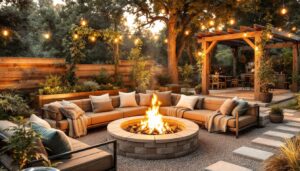
Lighting transforms evening use. Solar string lights strung overhead, downlights mounted on trees, or uplights highlighting a focal plant add drama and extend usable hours. Solar pathway lights guide movement and cost under $10 each. Creative backyard ideas often leverage lighting to make compact yards feel intimate and intentional, especially in evening hours when you’re winding down.
Making Your Small Garden Work
A small backyard garden is actually an advantage, every plant earns its place, every decision matters, and your impact feels tangible. Vertical growing, smart containers, and thoughtful layout let you harvest herbs by June, tomatoes by July, and fall lettuces by October without sacrificing style or function. The real secret is refusing to think small. Stack crops, layer heights, use every wall and beam, and watch your tiny plot outproduce yards twice its size. Start with one system, a trellis, a set of hanging baskets, or a cluster of containers, and build from there. You don’t need acreage to grow real food and real joy.